
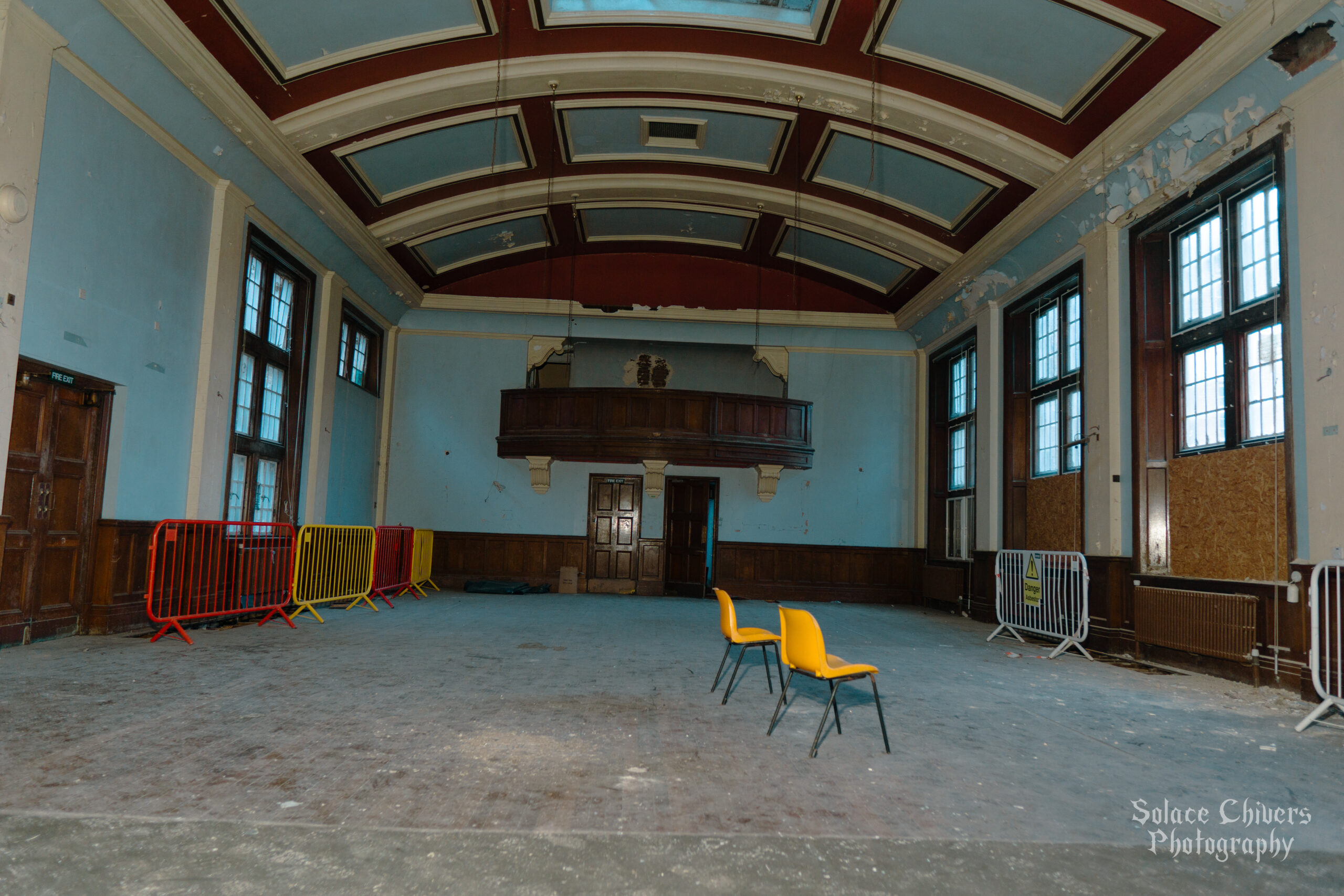
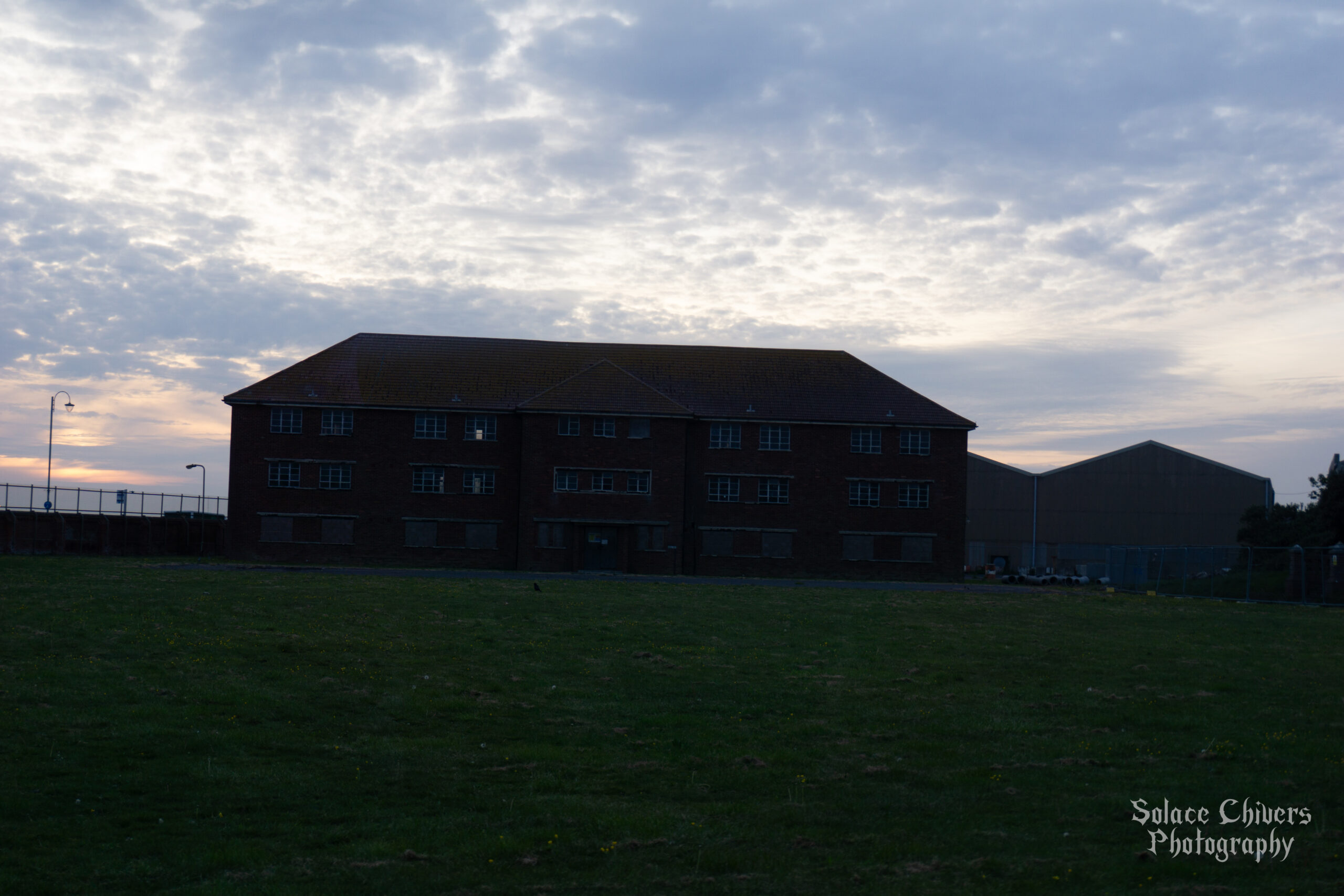
HMS Daedalus Barracks, located at Lee-on-the-Solent near Gosport, Hampshire, formed part of one of the Royal Navy’s most important air stations, playing a key role in British military aviation throughout the 20th century. The barracks supported personnel stationed at HMS Daedalus, a site deeply connected to both World Wars and the development of naval aviation.
History of HMS Daedalus Barracks
The wider HMS Daedalus site was established in 1917 as a Naval Seaplane Training School, quickly expanding into a major Royal Naval Air Service base.
During the interwar period and into World War II, the base grew significantly, with new barracks, accommodation blocks, and operational buildings constructed between the 1930s and 1940s to house personnel.
On D-Day in 1944, HMS Daedalus became one of the busiest airfields in the UK, launching hundreds of sorties in support of the Normandy landings, cementing its strategic importance.
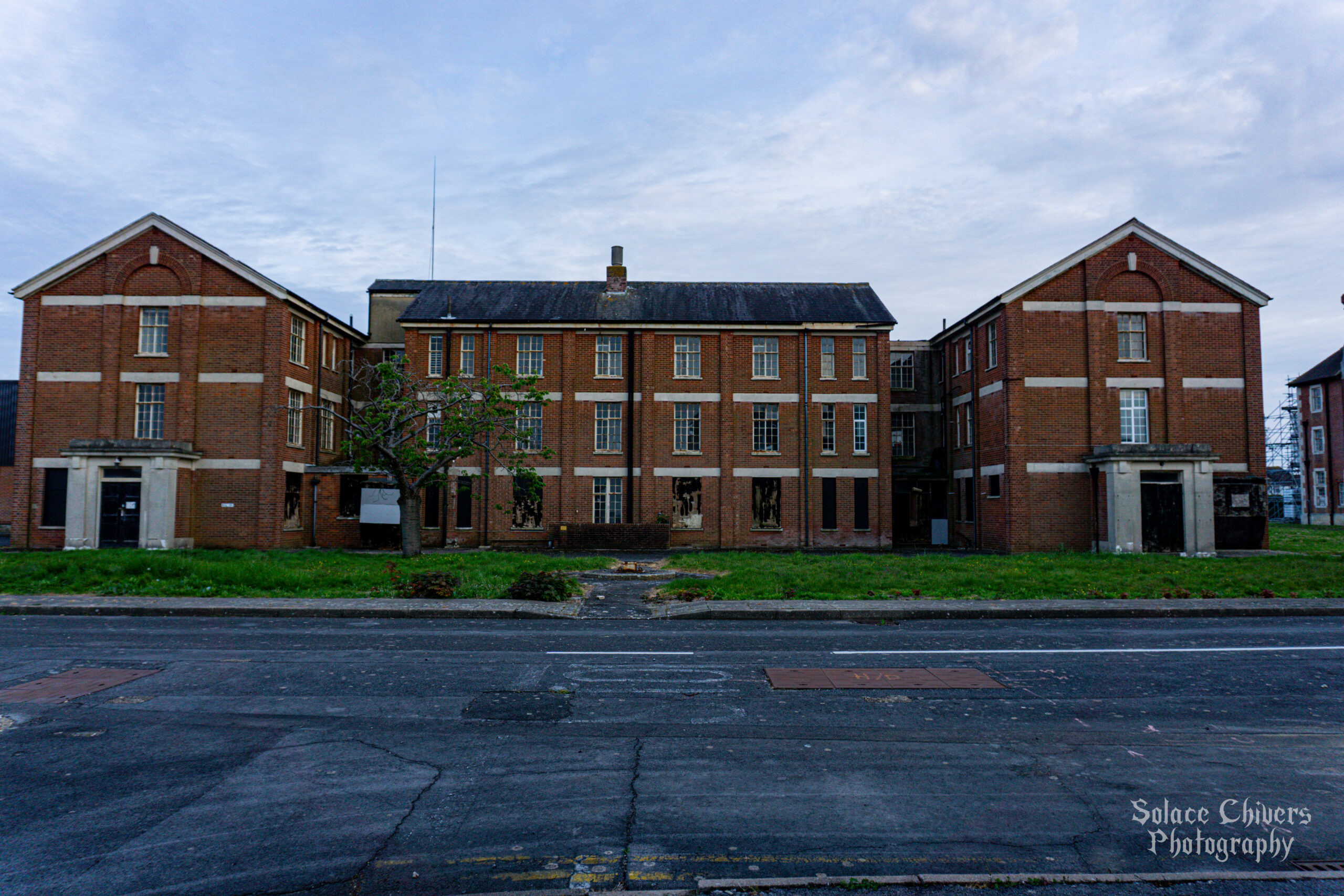
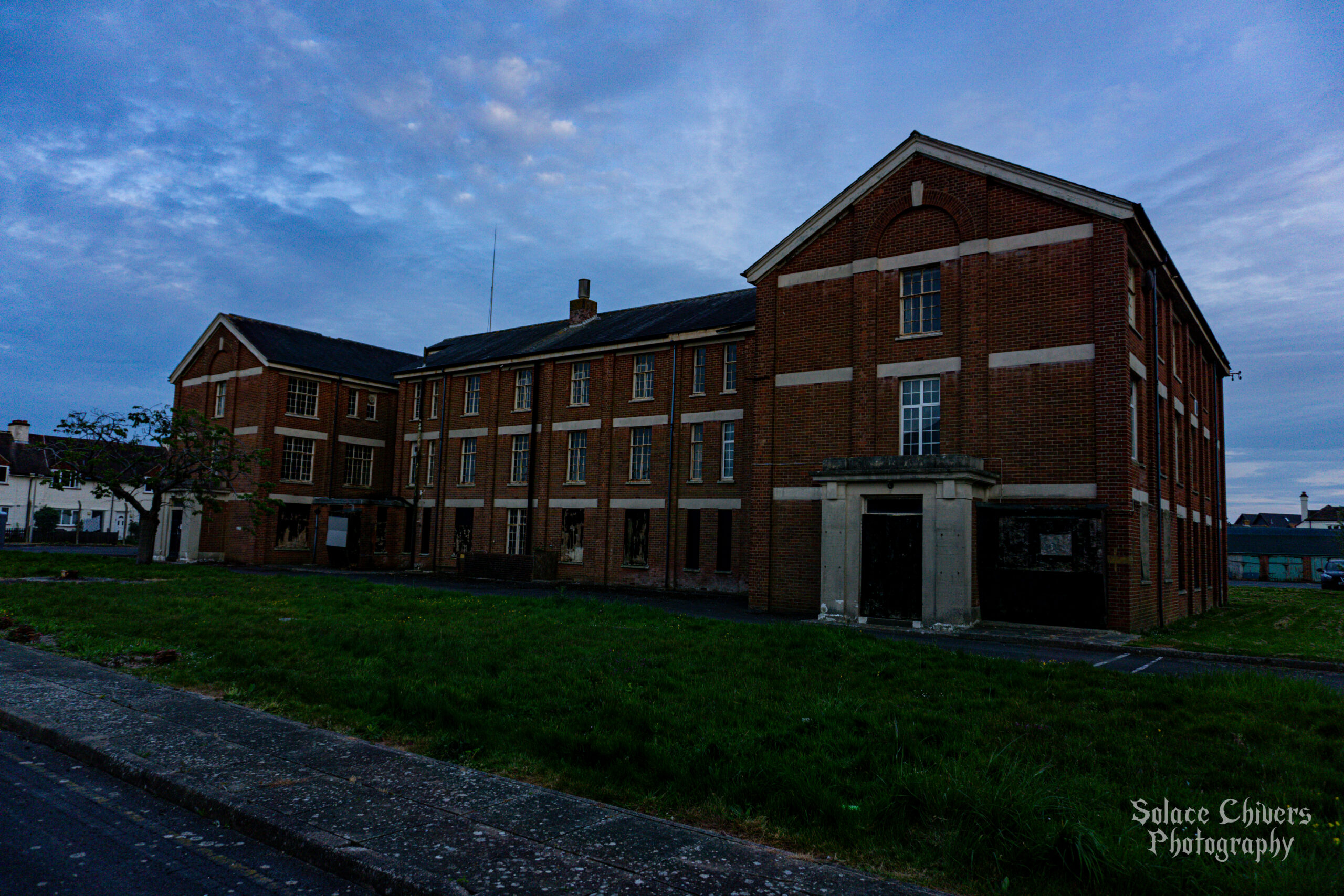
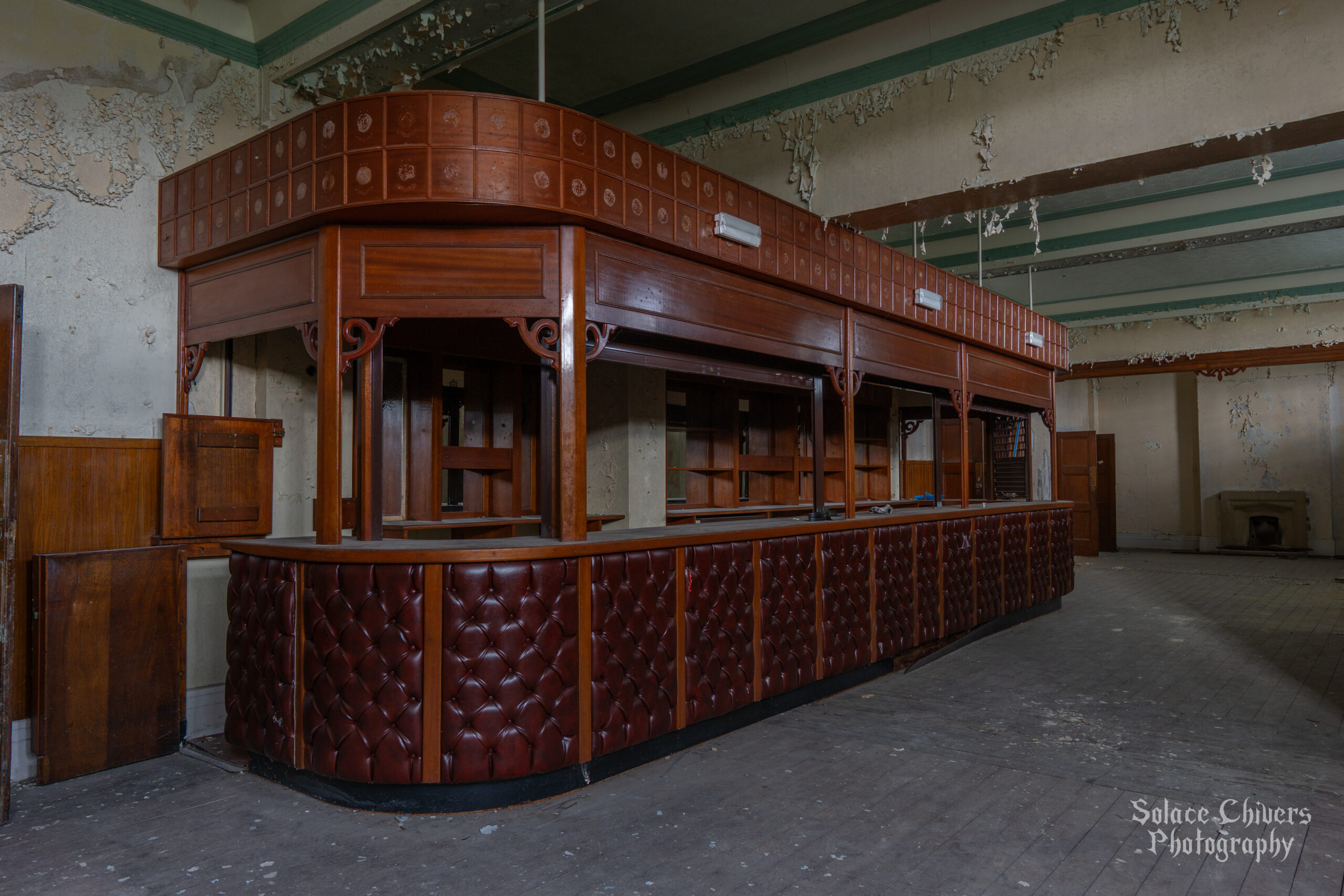
The barracks themselves—used for accommodation, training, and officer facilities—were central to daily life on the base, supporting thousands of naval personnel during its operational peak.
Why HMS Daedalus Barracks Closed
The closure of HMS Daedalus Barracks is tied to the decommissioning of HMS Daedalus in 1996, as part of wider UK defence restructuring following the end of the Cold War.
Key reasons for closure include:
- Reduction in military spending and restructuring of Royal Navy operations
- Consolidation of training and air stations to fewer locations
- Declining strategic need for large coastal airbases like Daedalus
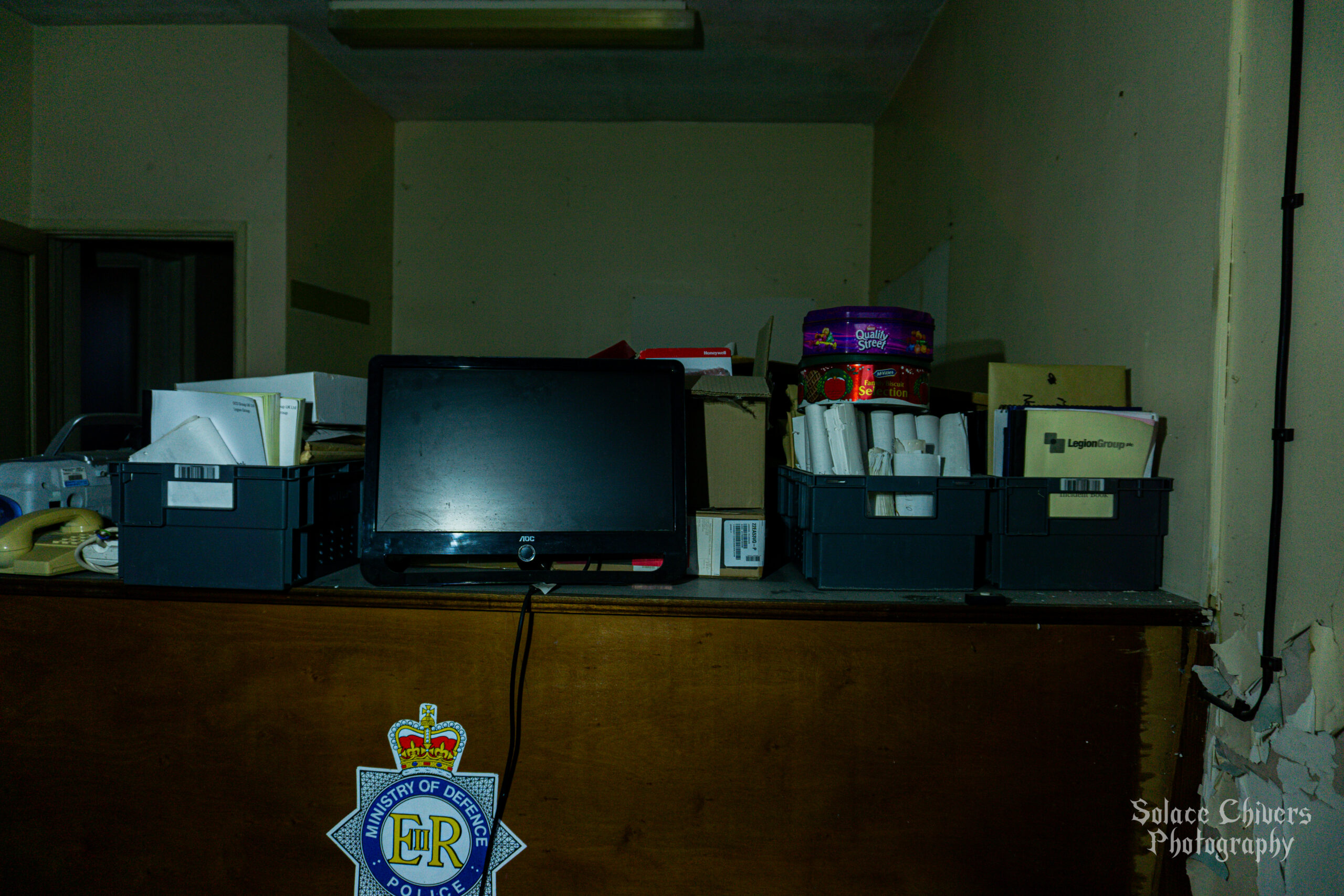
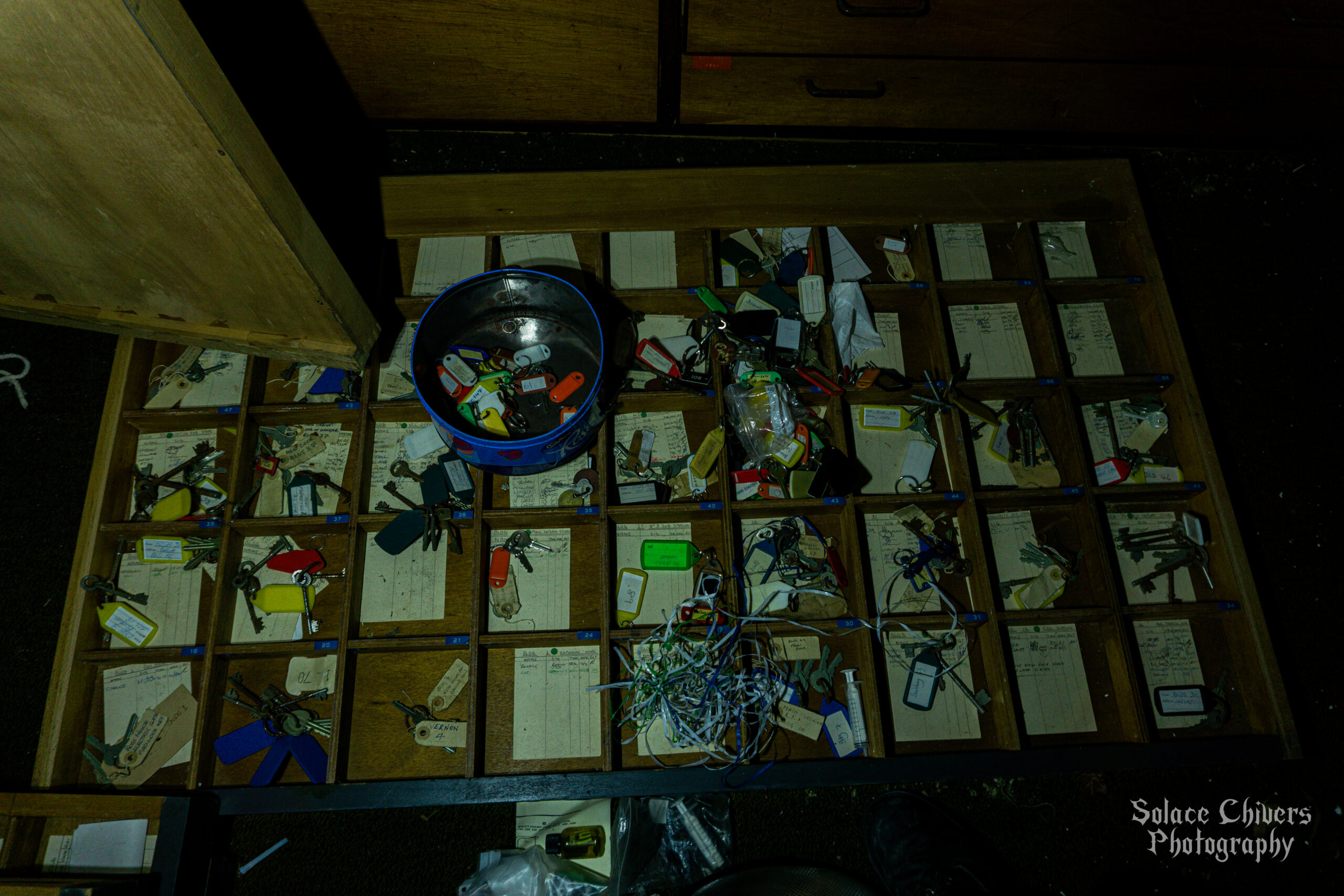
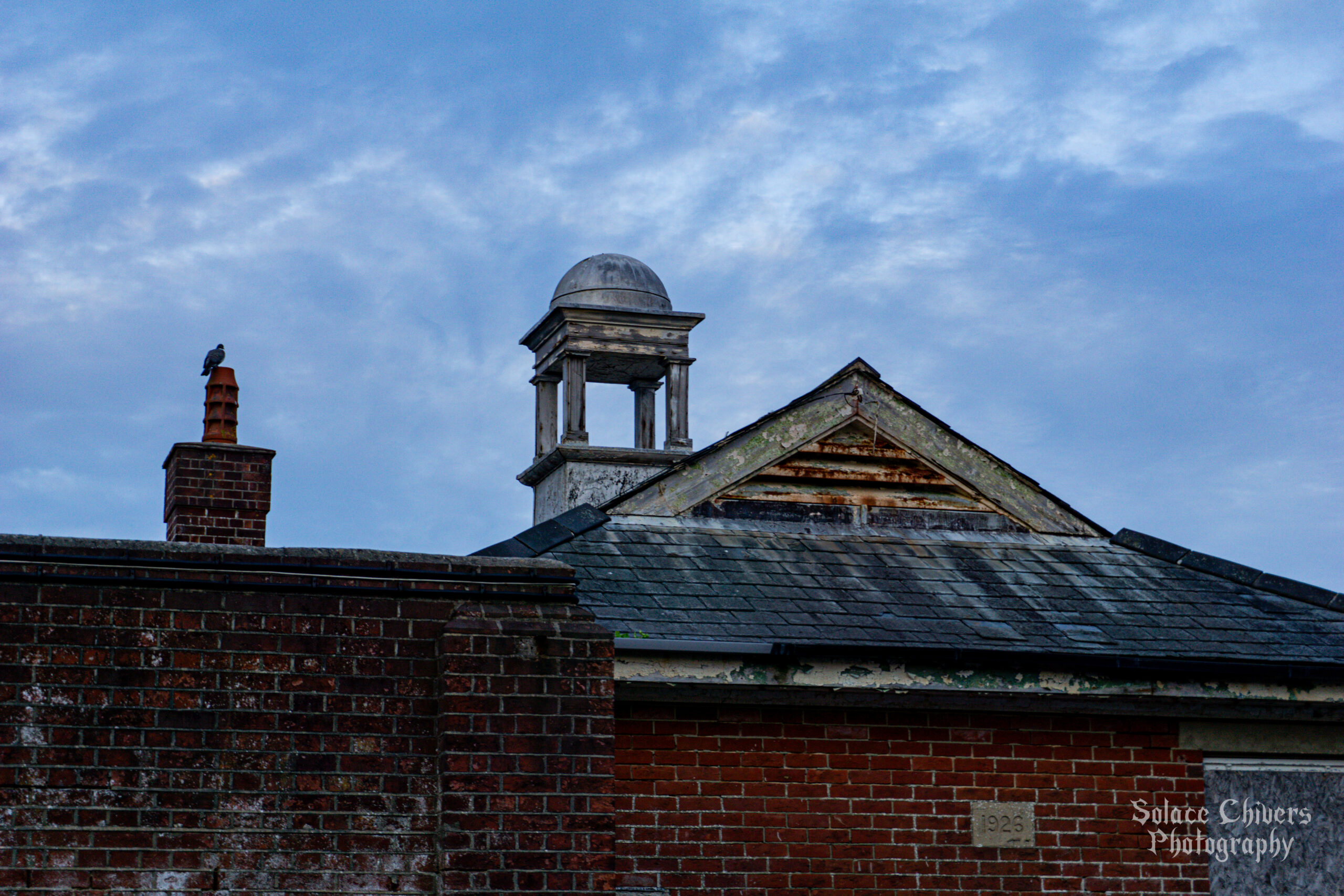
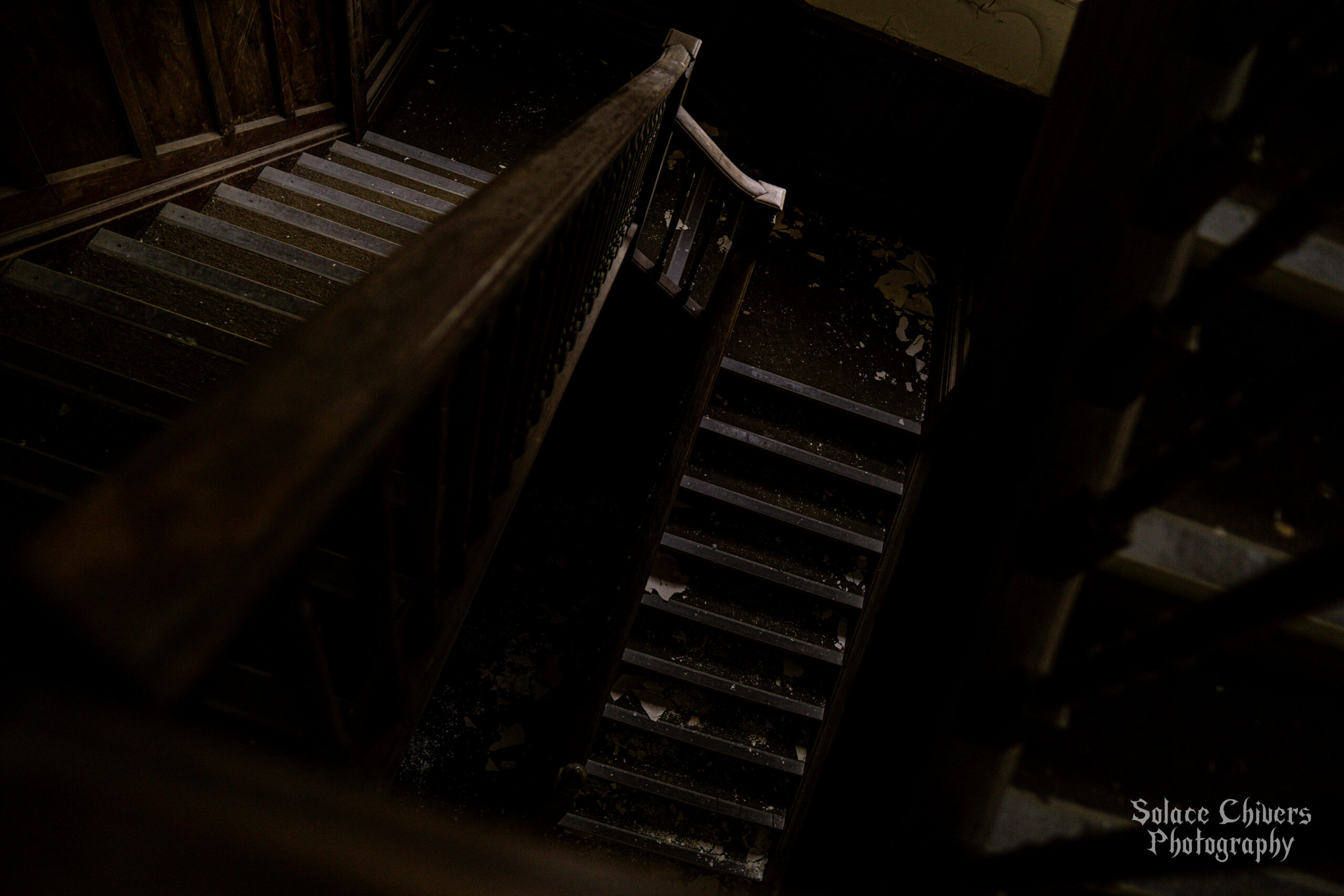
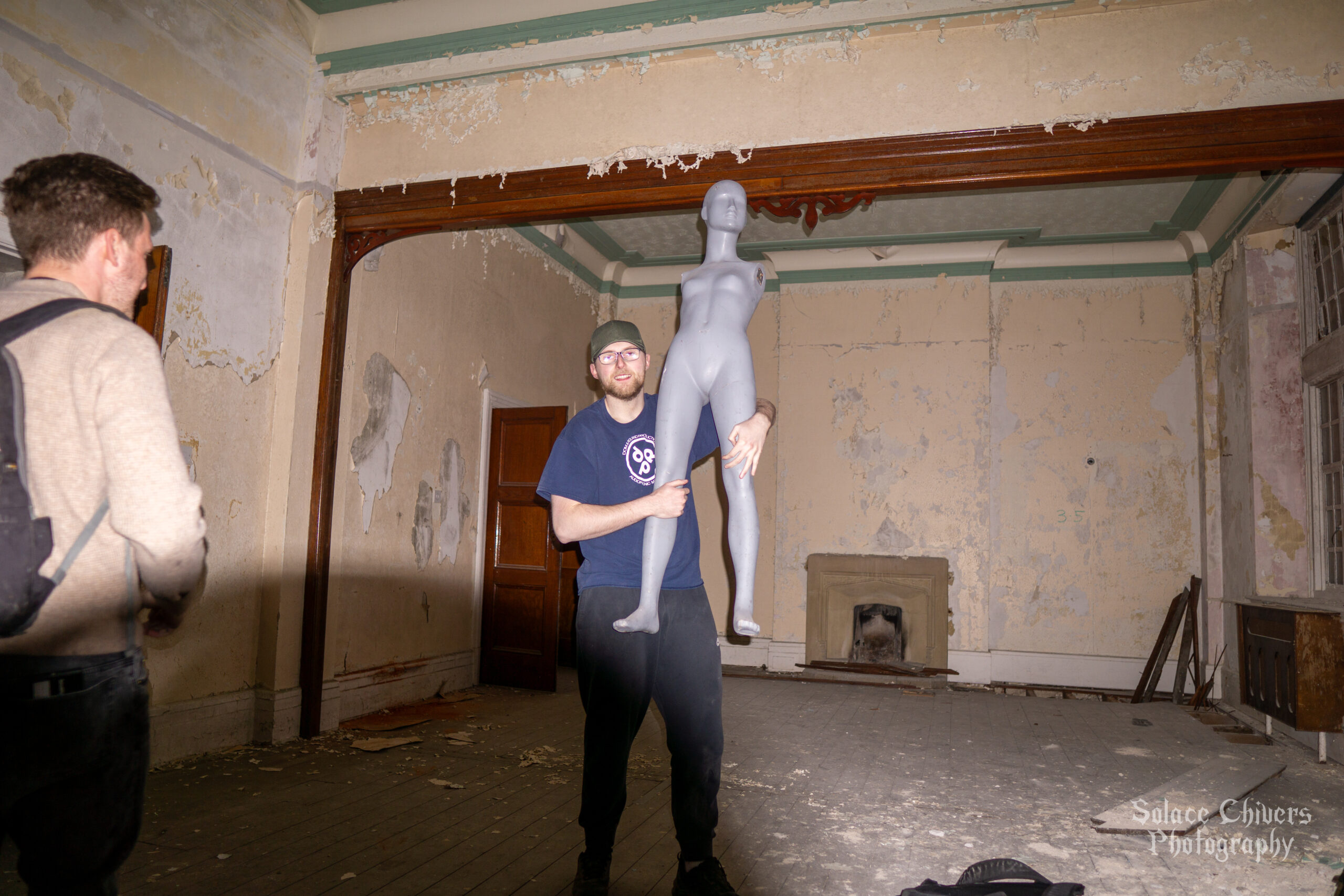
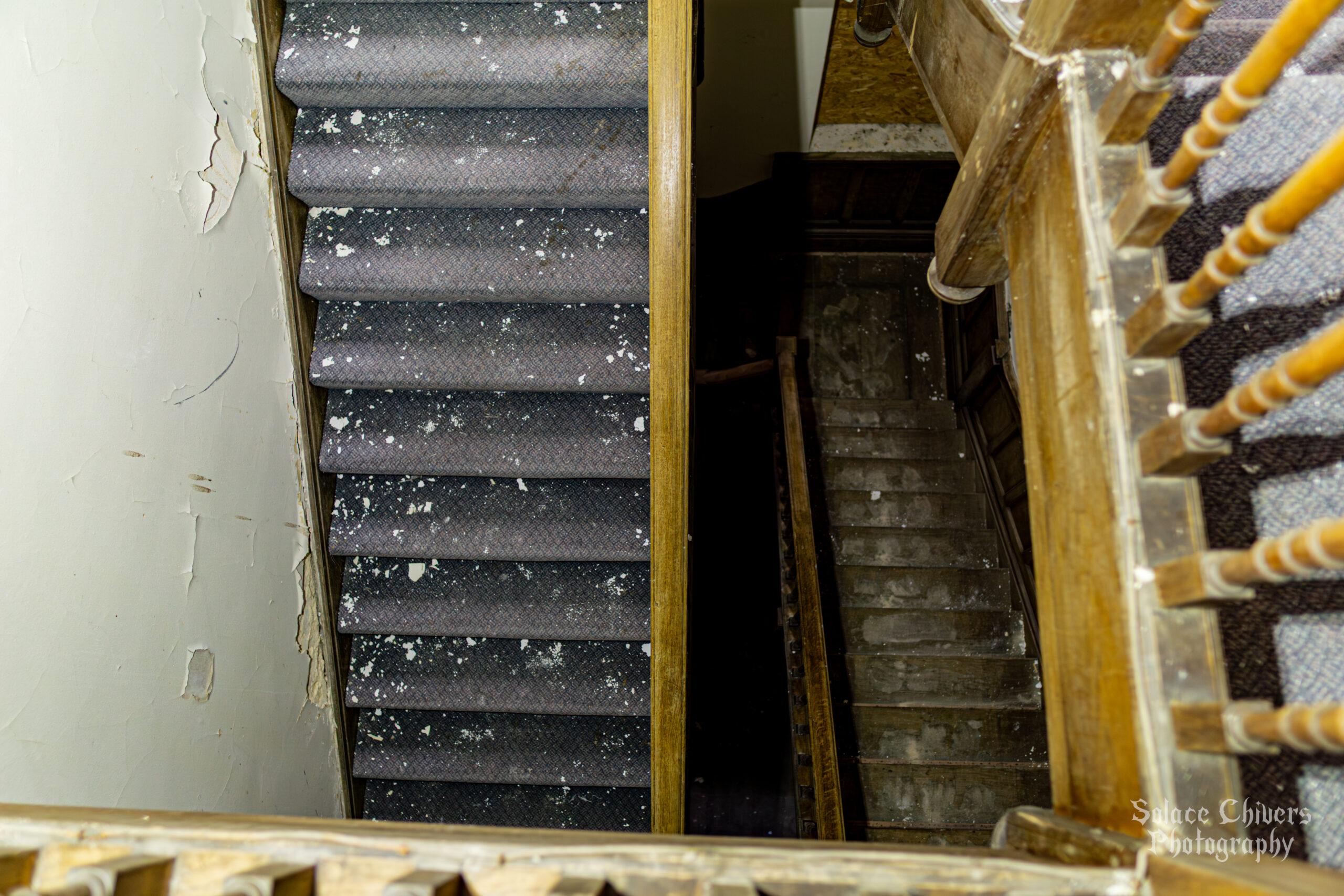
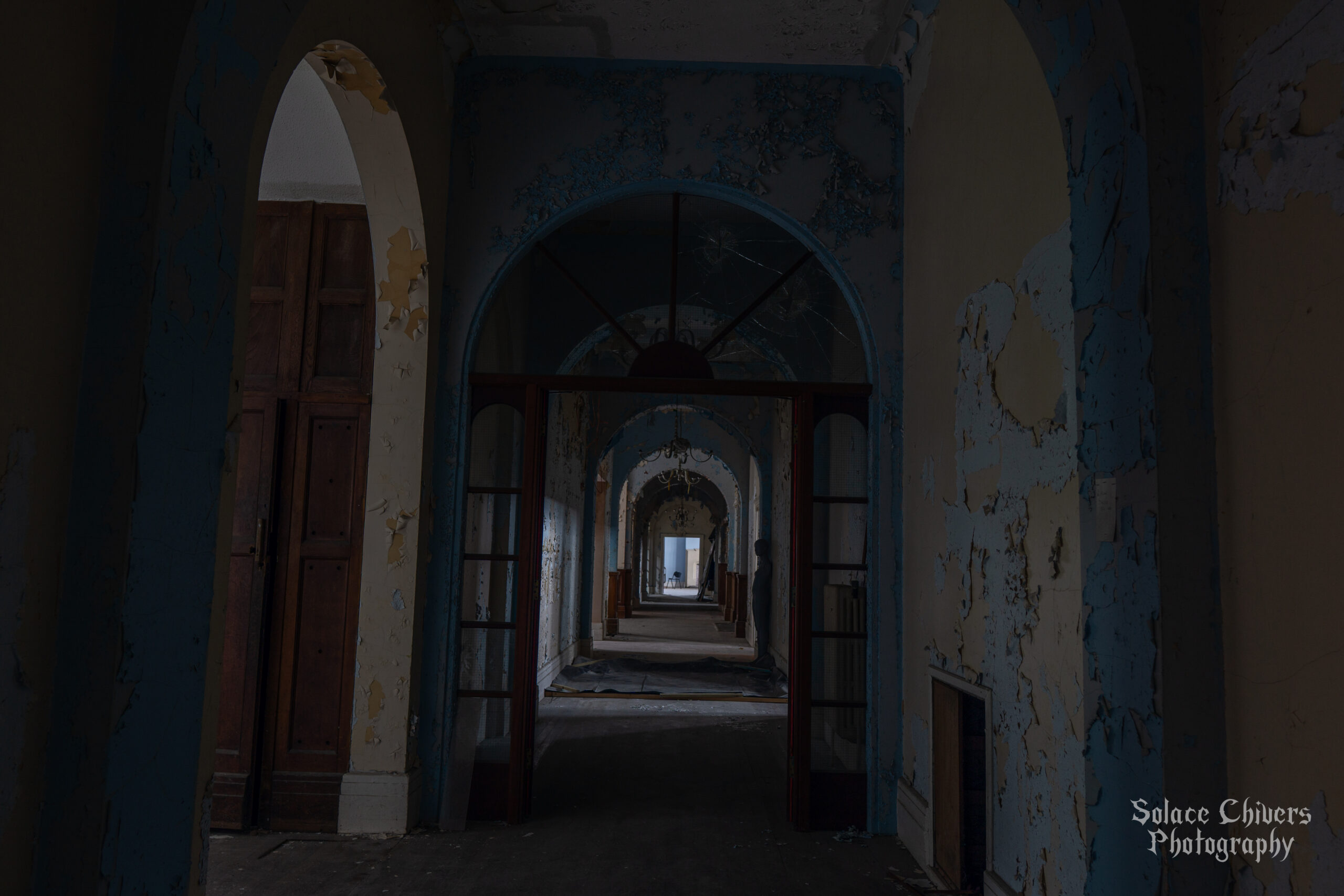
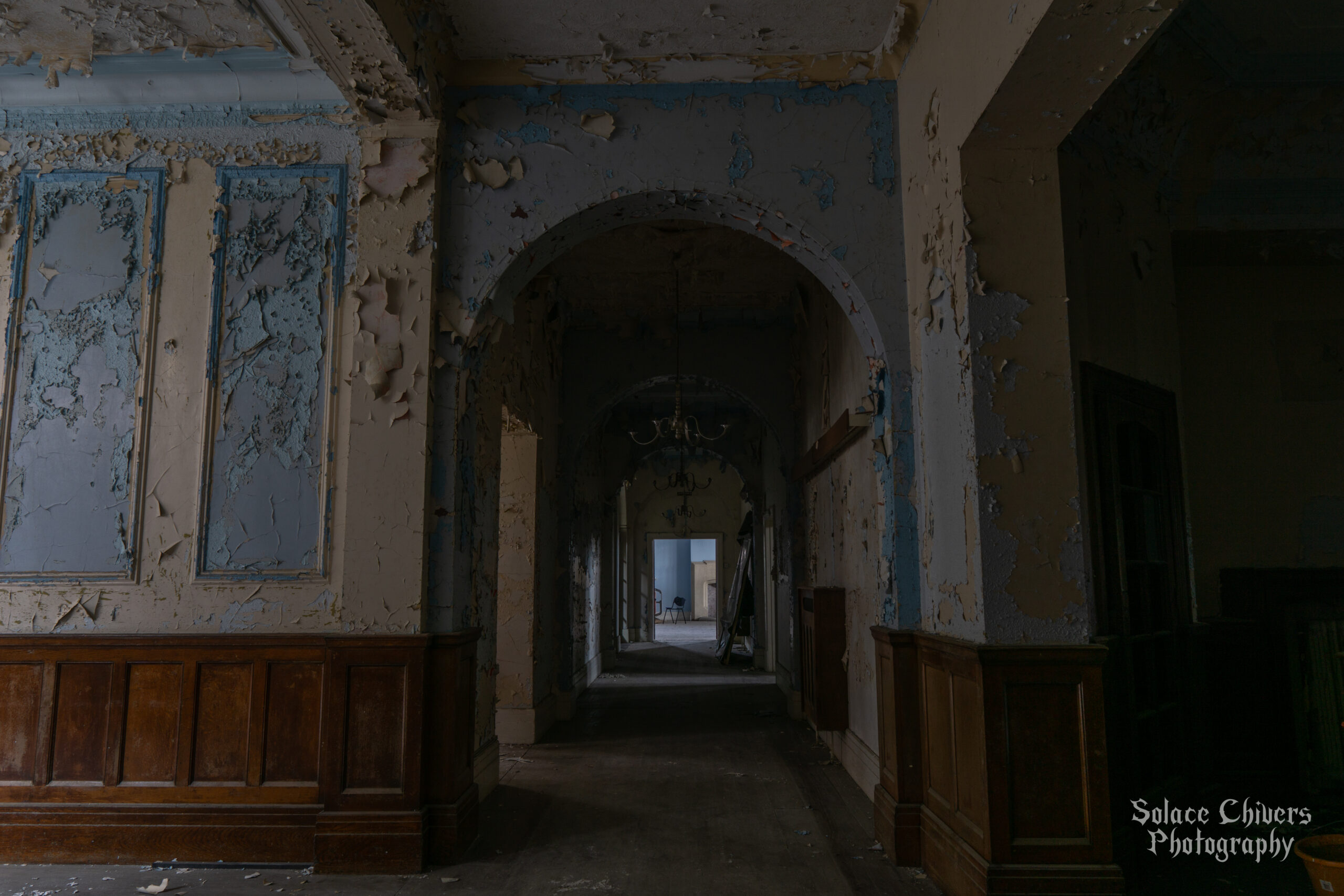
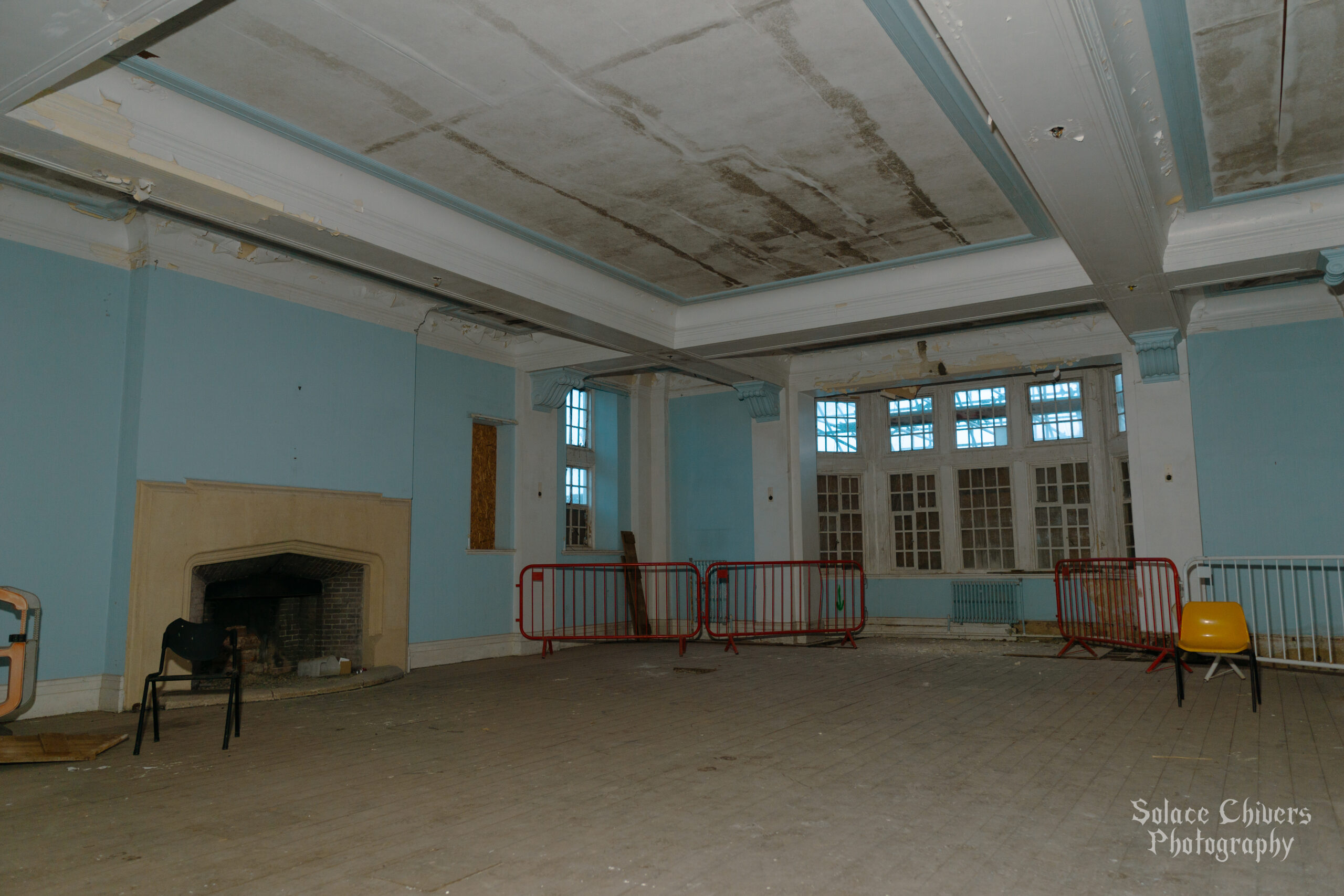
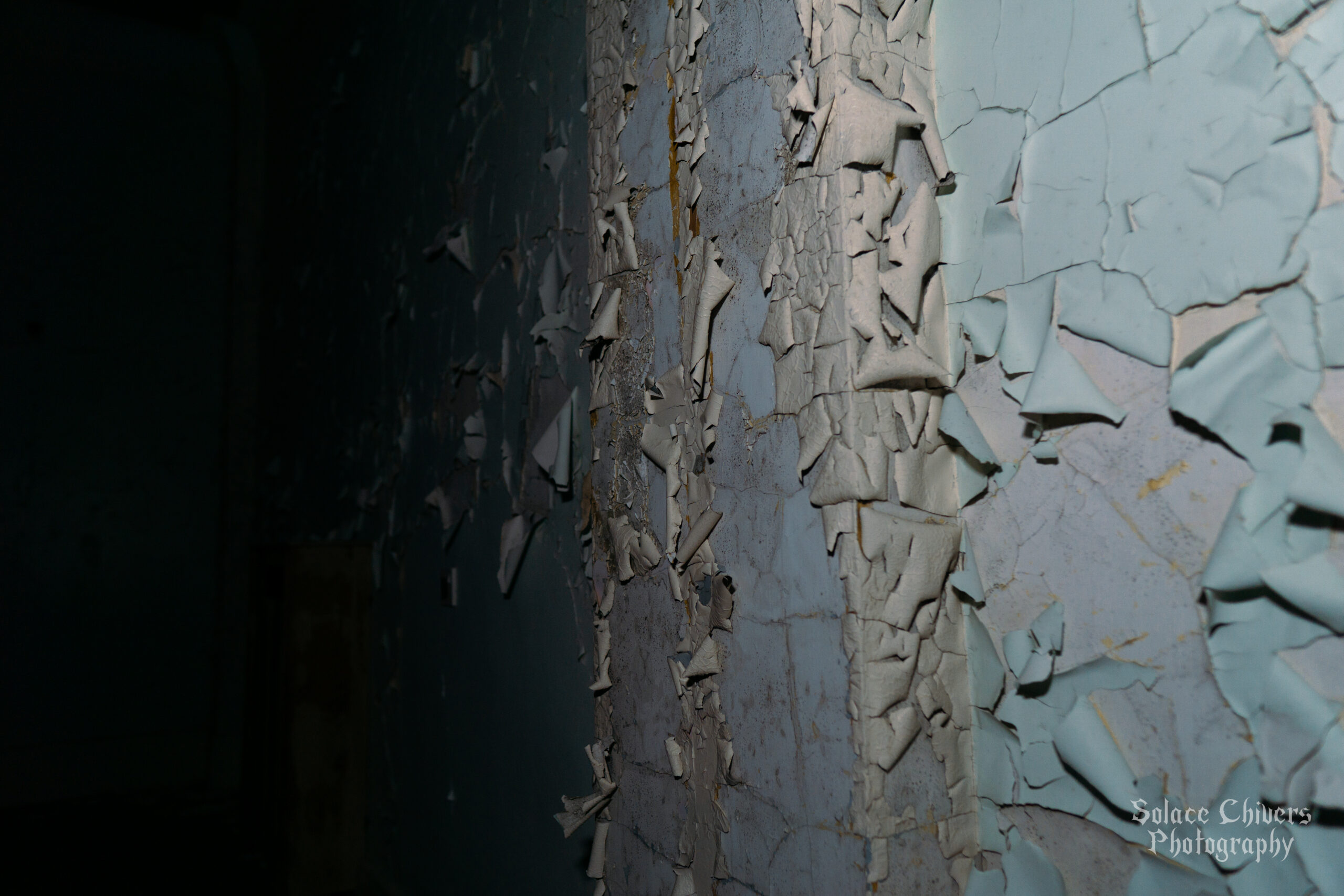
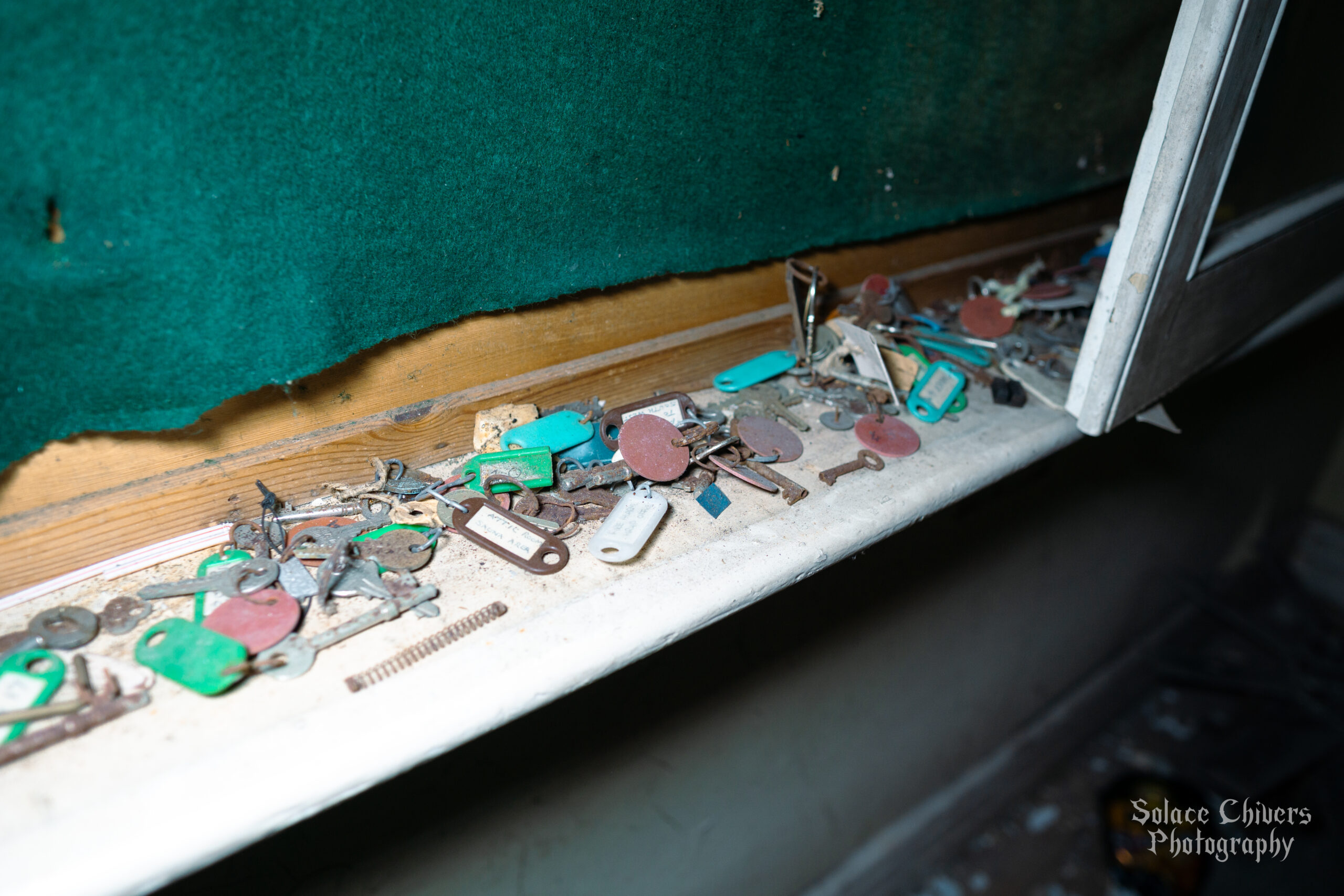
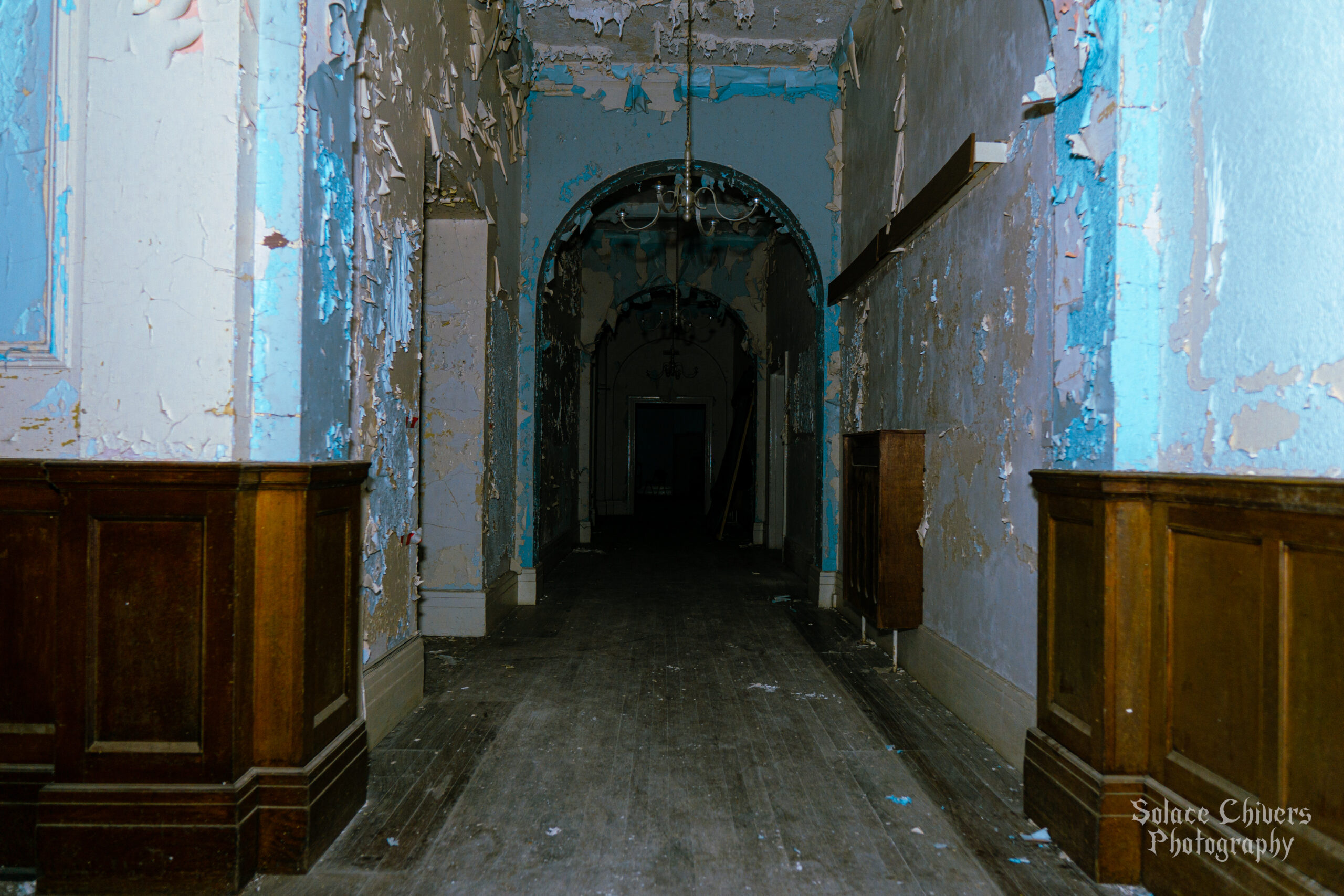
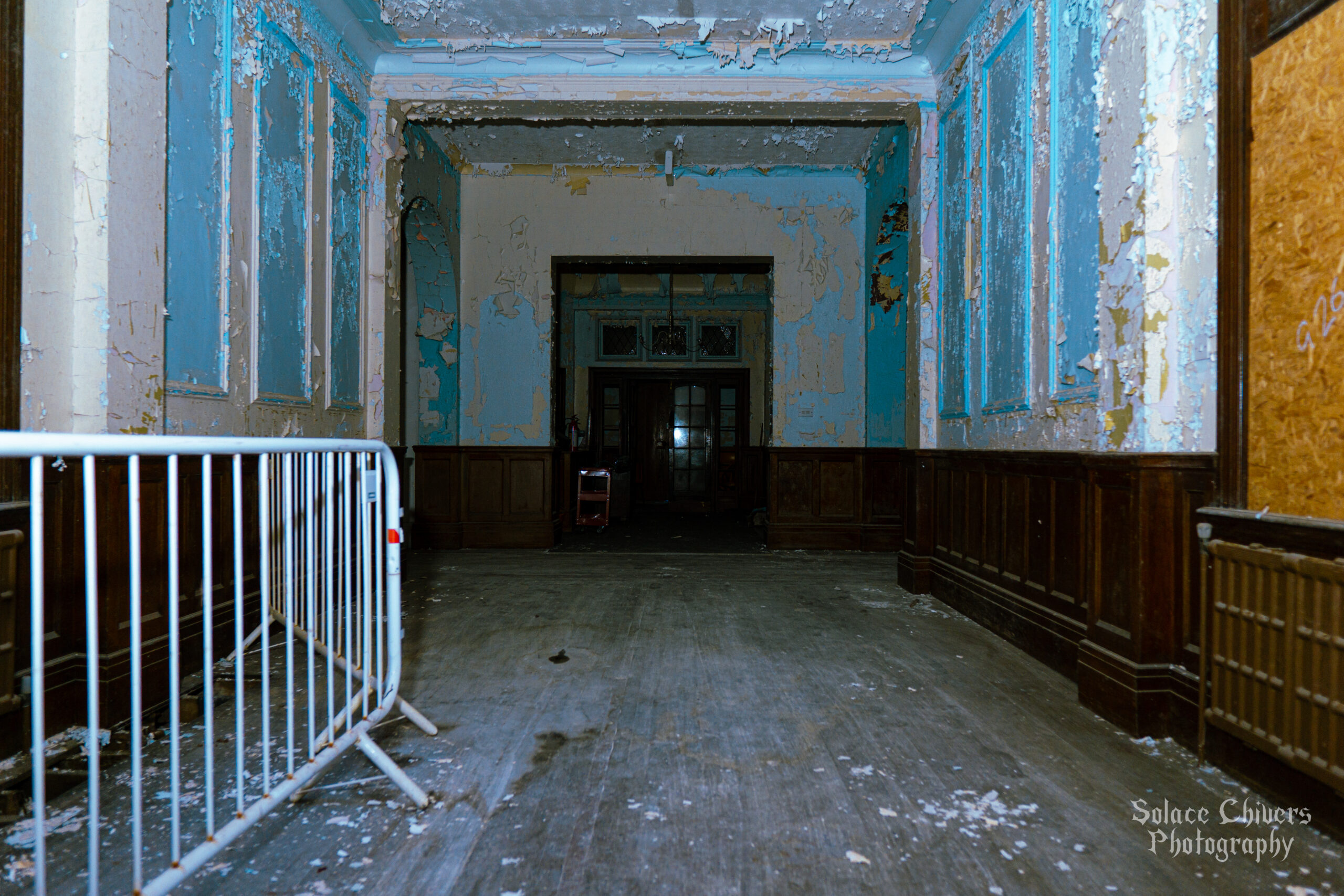
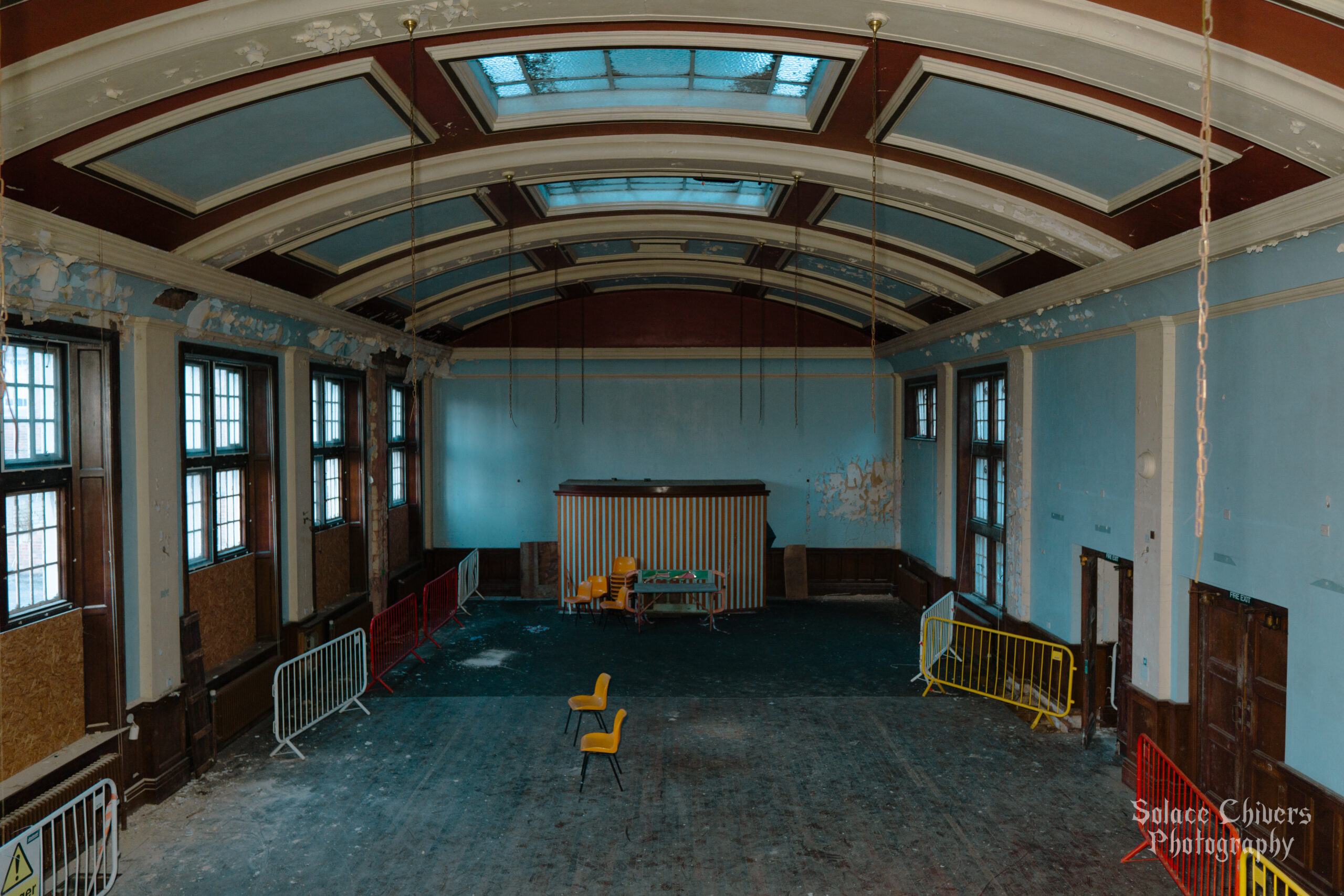
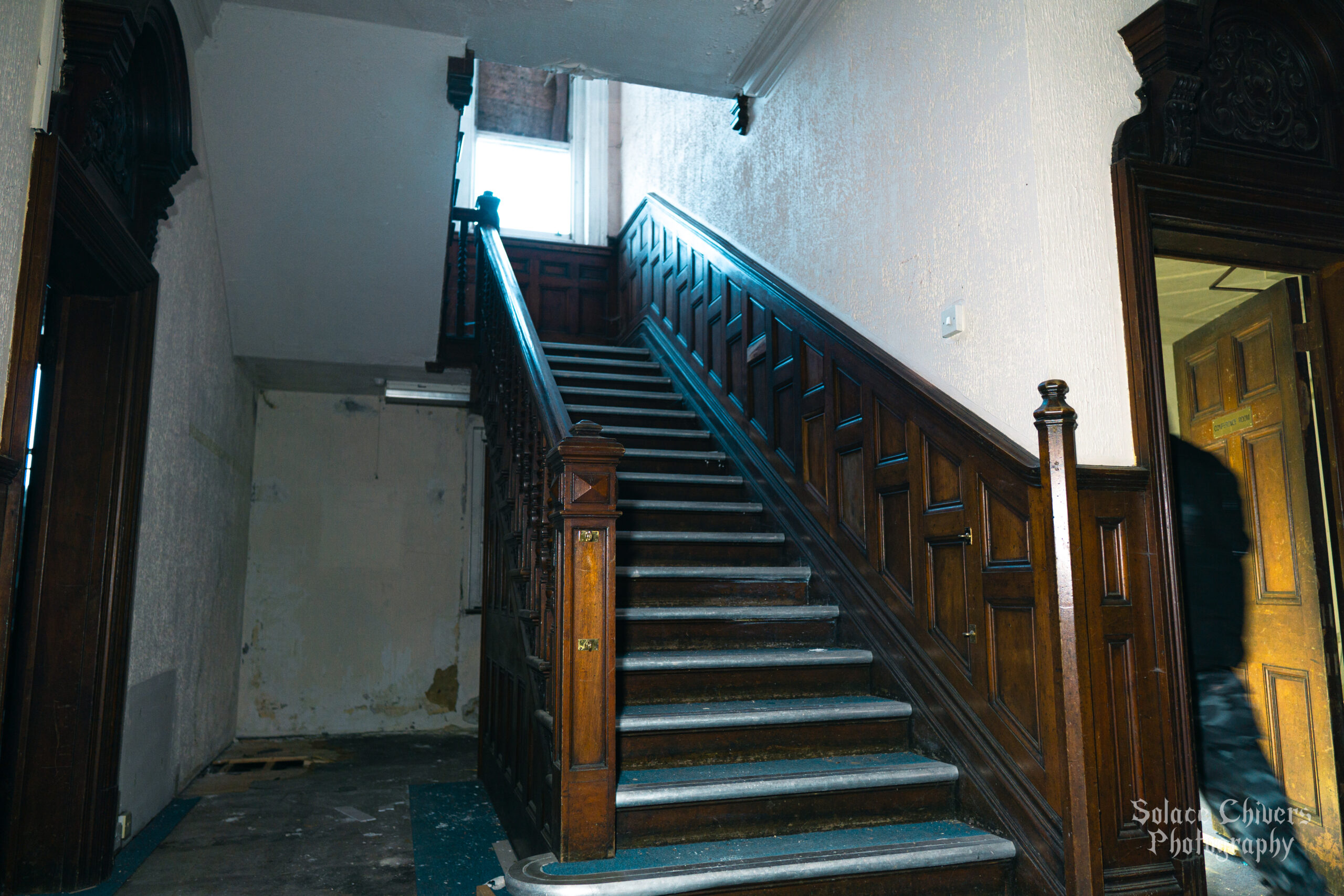
After closure, many of the barracks and associated buildings were left vacant for years, reflecting a broader trend of redundant military infrastructure across the UK.
Future Plans and Redevelopment
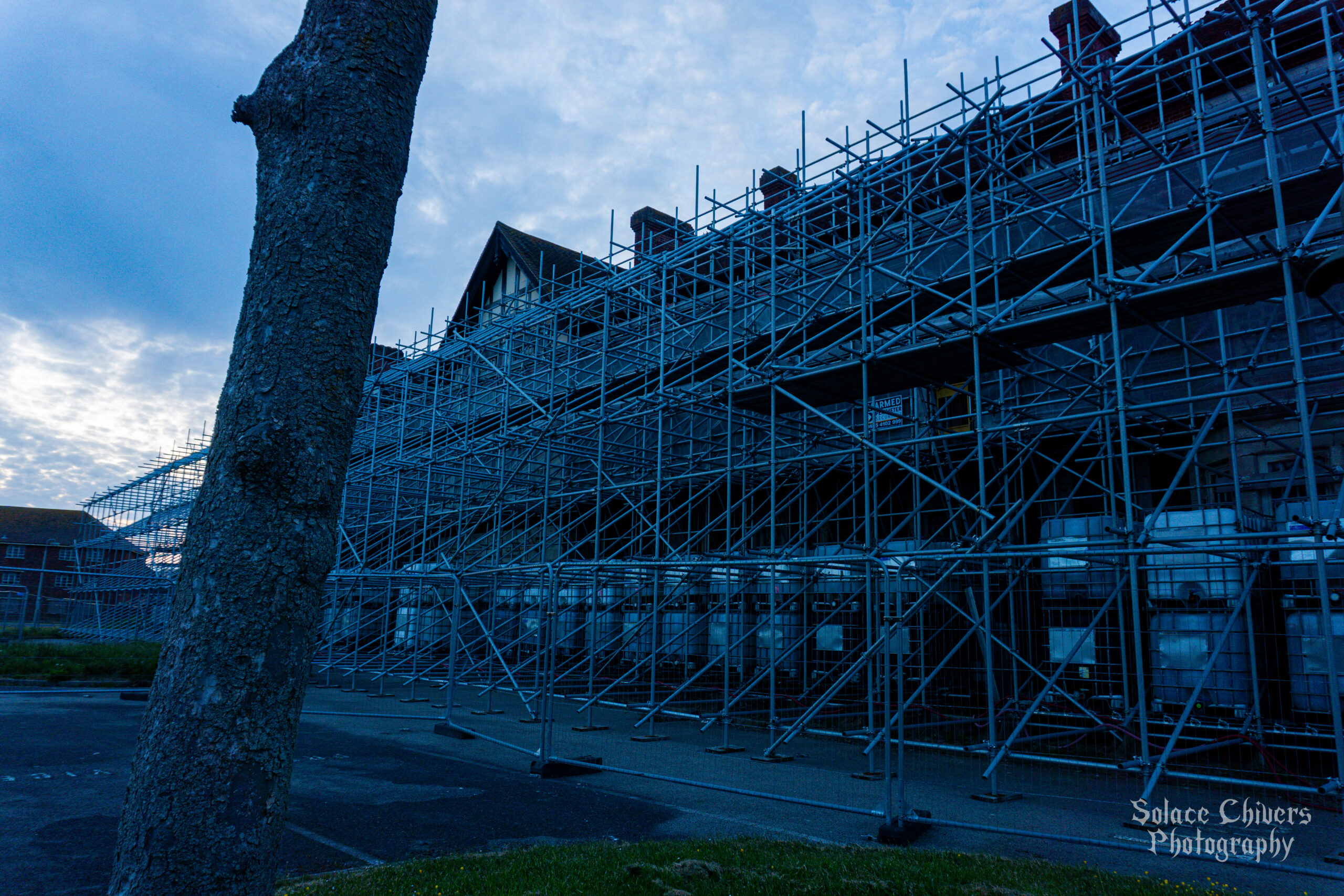
Today, the former HMS Daedalus Barracks site is undergoing significant transformation as part of the Daedalus Waterfront and Solent Enterprise Zone developments.
Planned and ongoing developments include:
- Conversion of historic barracks into modern housing and residential communities
- Creation of commercial, industrial, and employment spaces
- Restoration of heritage buildings to preserve the site’s naval history
- Development of public spaces, leisure facilities, and a potential museum
Parts of the site have already been successfully redeveloped into Daedalus Village, delivering hundreds of new homes while retaining key historic structures such as former officers’ quarters and mess buildings.





















Leave a Reply