
PRYZM Nightclub occupies the former Connaught (Stanhope Road) Drill Hall, a Grade II listed building originally constructed in 1901 as the headquarters of the 3rd (Duke of Connaught’s Own) Volunteer Battalion, The Hampshire Regiment. Built as a military training and mobilisation centre, the drill hall remained in military use for almost a century. During the Second World War the building was damaged in the Portsmouth Blitz before being repaired, although its original tower was never rebuilt. Following its decommissioning in the late 1990s, the building was converted into a large entertainment venue.
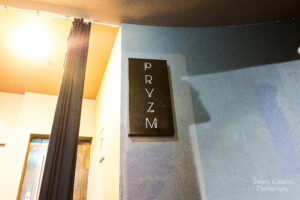
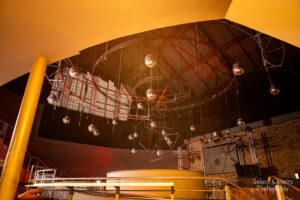
Since its conversion, the venue has operated under several names including The Palace, The Colosseum, Liquid & Envy, and finally PRYZM following a major refurbishment in 2015. Throughout its time as a nightclub, the building became one of the city’s best-known late-night entertainment venues, hosting student nights, live DJs, themed events and private functions. Despite extensive internal alterations to accommodate nightclub use, much of the original drill hall structure remains beneath the modern interior.
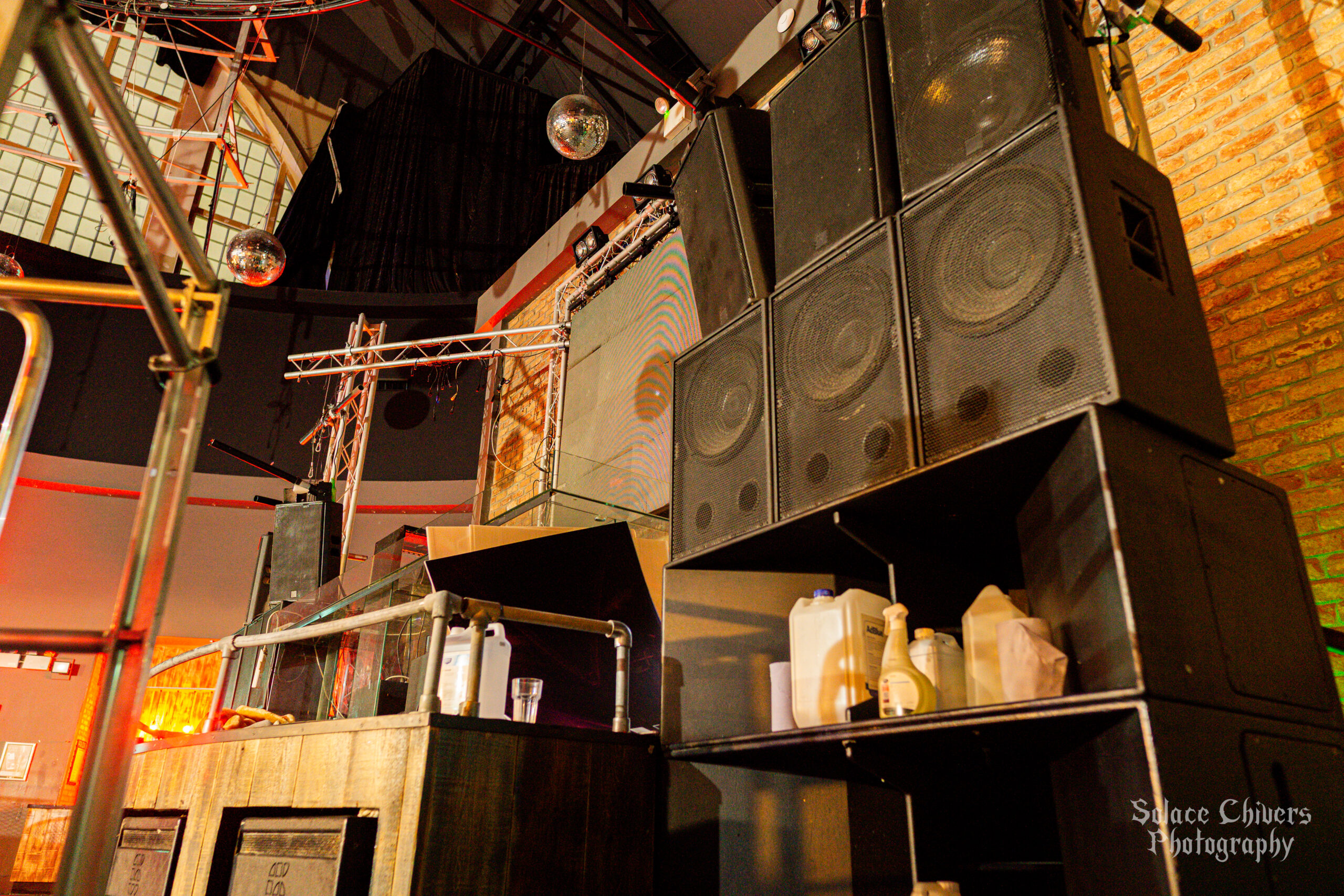
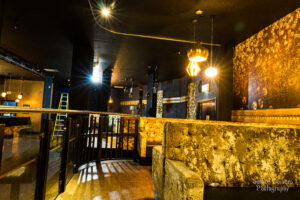
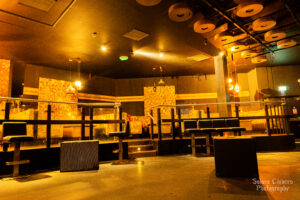
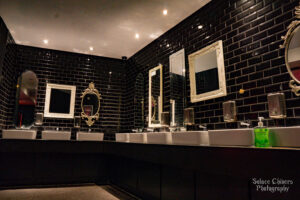
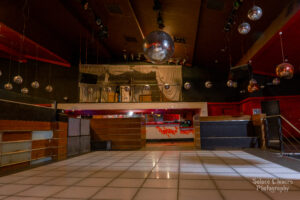
The venue permanently closed in 2024 after its operator, Rekom UK, entered administration. Since then, the building has remained vacant while being marketed for sale. Internally, much of the nightclub infrastructure is still present, including bars, dance floors, lighting rigs, DJ booths and seating areas, making it one of the most intact examples of a recently abandoned nightclub. At approximately 125 years old, the building represents more than a century of changing use, evolving from a military facility into a major entertainment venue before entering its current period of vacancy.
This had been on my exploration to-do list for the last few years, but I’d never managed to find a decent way inside. It was also the final major abandoned site left for me to explore in Portsmouth, making it one I’d been looking forward to for a long time. That finally changed after returning from Southampton, when we noticed an alarm that had already been sounding from the building. After taking a look around, we found an open door, headed home to collect my camera gear, and returned to document the site.
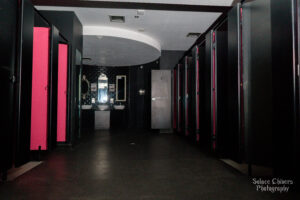
The alarm had clearly been going off for hours before we arrived and continued sounding for days afterwards, even after security had secured the entrance we used. Rather than a standard alarm, it broadcast a deafening evacuation announcement accompanied by continuous sirens and flashing strobe lights throughout the building. While it certainly created a unique atmosphere, it made photography incredibly challenging, with the constant noise and harsh lighting making it difficult to capture many usable images. Thankfully, I was still able to salvage a selection of photographs that I was happy to publish.
Despite the difficult conditions, finally exploring the building after years of waiting made the visit worthwhile. Reaching the end of Portsmouth’s last major abandoned location on my list felt like a fitting milestone, and it’s a site I’d happily revisit if the opportunity arises—hopefully before it is stripped out, heavily vandalised or redeveloped.










Leave a Reply